





Introduction
For many years, traditional formwork based on bolts, welding, and mechanical fastening has been the standard solution for precast concrete production. While it gets the job done, installation is slow, highly dependent on manual labor, and prone to inevitable damage to the pouring platform. Magnetic systems, however, use magnetic force to directly secure formwork profiles to the steel pouring platform, eliminating many time-consuming steps of traditional methods. Layout changes are faster, and production interruptions are reduced. Magnetic formwork offers greater flexibility and consistency, enabling precast component plants to respond more quickly to order changes while maintaining neat edges and reliable quality.
What Is Magnetic Formwork in Precast Concrete
Magnetic formwork is a magnetic device specifically designed for precast concrete construction, used to securely fix steel or iron formwork during concrete pouring. It utilizes a strong magnetic force to prevent formwork movement, eliminating the need for traditional clamps or supports, thus making installation and dismantling faster and safer. After pouring, the formwork can be released and repositioned with minimal force, making it a preferred choice for many modern precast component plants with high-cycle production.

Components of Magnetic Formwork
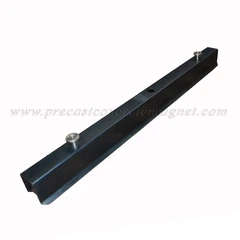
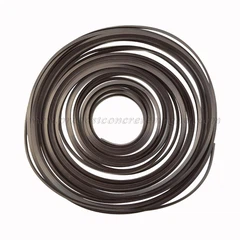
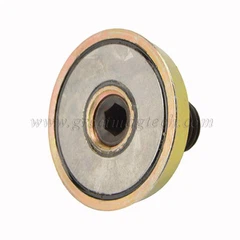
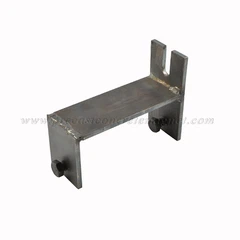
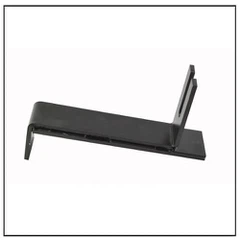
The core components of a magnetic formwork system include magnets, steel, and buttons. Steel profiles (straight or custom-shaped) define the panel edges and control dimensions. Formwork backing plates can be added when specific surface textures, grooves, or architectural finishes are required. These components together form a modular system that can be quickly adjusted without damaging the pouring platform or slowing down the workflow.
Applications of Magnetic Formwork:
In practical applications, magnetic formwork is widely used in precast wall panels, solid floor slabs, double-walled structures, beams, columns, and stair components. Its advantages are particularly significant when frequent dimensional changes, strict tolerance control, and consistent quality are required during production.
What Are The Advantages Of Magnetic Formwork
The advantages of magnetic formwork go beyond simply being "faster." More importantly, it helps shift precast production from a process driven by experience and manual labor to one driven by systems and efficiency. Compared with traditional formwork methods that rely on drilling, welding, and bolted connections, magnetic formwork uses magnetic force to quickly secure formwork profiles to steel casting beds. Positioning, moving, and locking become more direct and intuitive. When drawings change, or different wall panels and composite slabs need to be produced, operators can complete adjustments in a much shorter time without repeatedly dismantling and reinstalling hardware. This is especially valuable for small-batch and multi-specification production. At the same time, magnetic formwork is well-suited for integration with robotic arms and automated layout systems, helping factories standardize mold changes and positioning, reduce human error, and improve overall production rhythm.
From a labor perspective, magnetic systems reduce dependence on tools and heavy manual work, lowering the need for highly skilled welders and assembly workers. Even when manpower is limited or new operators are involved, stable output can be achieved through standardized processes.
In terms of quality, the stable magnetic holding force keeps the formwork firmly in place during vibration and casting. This results in straighter edges, less concrete leakage, and more consistent dimensional tolerances. Over the long term, eliminating drilling and welding also protects the casting bed surface, reducing damage and repair frequency, extending table service life, and lowering maintenance costs.
How Traditional Formwork Works

Traditional formwork relies on mechanical fixing methods.
In most precast concrete factories, formwork is secured using bolts, welding, drilling, clamps, or combinations of timber and steel components. These elements are physically fixed to the casting bed to hold the concrete in position during pouring and curing.
The formwork installation process is inherently time-consuming.
Each production cycle typically begins with positioning the formwork, drilling holes or welding anchors, tightening bolts or clamps, and checking alignment. Even small changes in panel dimensions require the entire process to be repeated. Because every adjustment involves loosening, repositioning, and refixing multiple points on the casting bed, formwork changeovers take considerable time.
Accuracy issues often arise during daily operations.
Manual alignment increases the risk of uneven edges and dimensional deviations. Small positioning errors can accumulate, resulting in noticeable tolerance problems that must be corrected after demolding.
Concrete leakage and cleanup remain ongoing challenges.
Gaps between formwork sections can allow grout to leak, creating rough edges and increasing finishing work. After stripping, residual concrete must be chipped away, adding labor costs and delaying the next setup cycle.
Magnetic vs Traditional Formwork - Key Differences That Matter
Fixing Method
Magnetic formwork uses magnetic force to firmly attach profiles to the steel casting platform, virtually eliminating the need for bolts, welding, or drilling. Once positioned, it can be locked in place, reducing the number of hardware components and manual steps, and minimizing minor alignment errors caused by inconsistent bolt tightness or weld misalignment.
Traditional formwork typically relies on clamps, bolts, anchors, or welding points for fixation. The installation process involves more tools and steps, requiring greater operator skill. Even small deviations can lead to problems such as grout leakage, uneven edges, and rework.
Installation Speed
Using a magnetic system, operators can often complete profile placement, alignment, and fixation within minutes. When drawings change or opening positions need adjustment, it can be quickly moved and repositioned, making it particularly suitable for prefabrication production rhythms involving multiple varieties, small batches, or frequent model changes. Furthermore, magnetic formwork is easier to integrate with robotic arms and automated positioning systems, enabling repetitive positioning and standardized operations. In contrast, traditional formwork typically requires steps such as measurement, drilling, tightening, welding, grinding, and cleaning. Delays in any of these steps lengthen changeover time, directly impacting production line cycle time and daily output.
Flexibility
Magnetic formwork is designed specifically for modern precast component production. Facing daily changes in panel dimensions, window and door openings, and pre-drilled hole positions, the profiles can be quickly moved and reused without needing to be disassembled and rebuilt.
Traditional formwork performs better when the layout is stable over the long term, but frequent changes mean more labor, more downtime, and higher management and quality fluctuation costs.
Surface Impact
Drilling and welding leave scratches, thermal deformation, and weld slag residue on the casting platform surface. Over time, this affects the flatness and sealing of the platform, increasing the risk of grout leakage and potentially requiring repair or even replacement of the platform later.
Magnetic fixing avoids these irreversible damages, better maintaining the precision and lifespan of the steel platform. For precast plants seeking long-term stable production, this is a tangible, albeit hidden, cost advantage.
How to Choose the Right Magnetic Formwork System

First, consider the adhesion strength. Higher adhesion strength improves stability. Magnetic systems perform best on a clean, flat steel workbench. Rust, paint buildup, or concrete residue can negatively impact actual adhesion performance.
Then, choose a suitable system based on your profile height and wall thickness. Taller profiles and thicker pouring layers typically generate greater lateral pressure during vibration, so you'll need a stronger, more stable combination of profiles and magnets. For thin-walled panels, proper profile height and layout are often more important than excessive adhesion strength.
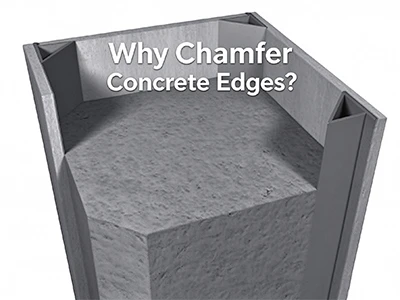
Compatibility is equally important. Ensure the magnets are aligned with the template profiles and fittings (such as chamfer strips, corner pieces, and grooved moldings) so that all components lock into a repeatable geometry. "Mixed-up" configurations often result in gaps, leaks, and inconsistent edges.
Conclusion
Magnetic formwork is replacing traditional formwork because it aligns with the realities of modern precast component production: faster production cycles, tighter tolerances, and less downtime. Factories no longer need to struggle with bolts, welding, and slow formwork changes; they can quickly reposition profiles, keep pouring surfaces clean, and ensure consistent edges with each pour. While traditional formwork still has its uses, especially for special shapes or small-batch production, magnetic systems are generally more advantageous in terms of efficiency and overall cost for repetitive production and frequent layout changes.
FAQ
Q: How strong should the holding force of a magnetic formwork system be?
A: The required holding force depends on wall thickness, formwork profile height, vibration intensity, and the condition of the casting bed.
Q: Can magnetic formwork be used on any casting bed?
A: Magnetic formwork performs best on flat, clean steel casting beds. Rust, paint buildup, or uneven surfaces can reduce magnetic performance and should be addressed before use.
Q: Is magnetic formwork suitable for thin-wall panels?
A: Yes. For thin-wall panels, proper profile height and layout are often more important than high magnetic force. A well-matched system improves accuracy without excessive clamping.
Q: How long does a magnetic formwork system last?
A: With proper handling and regular cleaning, magnetic formwork systems can be reused for many years, making them a long-term investment rather than a consumable item.
Q: Can magnetic formwork completely replace traditional formwork?
A: Not necessarily. Traditional formwork may still be required for special geometries or non-steel bases, but magnetic formwork systems handle most standard precast production more efficiently.
Q: Does magnetic formwork require maintenance?
A: Yes, but maintenance is simple. Regularly cleaning contact surfaces, checking moving parts, and preventing concrete buildup will help maintain consistent holding performance.
Q: Is magnetic formwork safe for operators?
A: When used correctly, magnetic formwork reduces the need for welding, drilling, and heavy tools, improving safety and creating a cleaner, more controlled working environment.