





Industrial Uses of Magnets
Industrial magnets are essential parts of many systems. While these magnetic systems rely on the same principles as those used in residential applications like the storage of objects and storing them on a refrigerator, they typically are subjected to different types, specifications, sizes, and strengths depending on the intended use. They cover the various uses and processes of chemicals in a wide variety of industries.
Application of Magnets in Handling and Positioning of building materials
Magnets play an important role in the handling and positioning of building materials. Through their usage of the advantages of their strong magnetic adsorption characteristics, they provide efficient and convenient solutions for building construction.
Transportation of metal components
Magnets are widely used to handle and move metal components, such as steel beams, steel columns, etc. Its strong magnetic force can absorb the surface of metal components, making the handling process safer, more stable and efficient. This method not only reduces the labor intensity of workers but also reduces the need to use other complex handling equipment, thereby improving construction efficiency.
Positioning of metal components
Magnets are also used for accurate positioning of metal components during building assembly. By attaching magnets to the surface of the component, the construction personnel can easily locate the component and fix it to the predetermined position. This is essential to ensure and maintain the accuracy and stability of the building structure, while also helping to speed up the construction schedule.
Installation of decorative materials
In addition to metal components, magnets can also in principle be used for the easy installation of decorative materials, such as magnetic bricks, magnetic wall panels, etc. These decorative materials are usually magnetic and can be precisely mounted on walls or other surfaces by being attracted to special magnets. This approach avoids traditional adhesives or fixing fixtures and also reduces the difficulty of material replacement.
What are Magnets Used for in Precast Concrete?
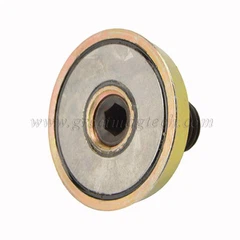
In building, the magnet is essential for transporting heavy objects and it is also important for constructing a framework. Shuttering Magnets are helpful when working with steel panels, bricks, and masonry. They are strong but flexible when moving.
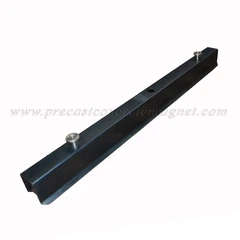
Shuttering Magnet
Shuttering magnets, which are strong yet flexible when moving, are especially useful in securing materials during construction. They are commonly used to hold steel panels, formwork, and shuttering in place. By using these magnets, construction workers can quickly and securely attach materials without the need for traditional clamps or fasteners. This can save time and streamline construction processes, making them an essential tool in various construction projects.

How to Use Magnet Shuttering in Solid Wall Production?
Watch this video for details of how FaMe Magnetic Shuttering Systems can be installed on solid wall products using battery mold technology. Practical door-and-few moldings also provide tight angles of 90 degrees and are light, durable, easily carried, and moveable.
Using magnet shuttering (also known as magnetic formwork) in solid wall production involves the use of magnetic systems to hold formwork in place while casting concrete. This method can increase efficiency, reduce labor costs, and improve the quality of solid wall production. Here's how you can use magnet shuttering in this process:
Prepare the Formwork System: Ensure that your formwork system is equipped with magnetic elements. This usually involves placing magnets within or attaching them to the formwork system side panels.
Surface Preparation: Clean and prepare the surface where the formwork will be placed. It should be clean, free of debris, and smooth to ensure it forms a proper magnetic connection.
Position the Formwork: Position the formwork panels and screws with the embedded magnets in the desired location for the solid wall. Make sure they are properly aligned and leveled.
Magnetic Adhesion: The magnets in the formwork panels will adhere to the steel surface of the support structure. The magnetic force should be strong enough to securely hold the formwork in place.
Adjustment: If necessary, adjust the position of the formwork panels to ensure accurate alignment and dimensions.
Concrete Pouring: Once the formwork board is securely in place, you can proceed with pouring the concrete into the formwork to create the solid wall.
Curing: Allow the concrete to cure according to the instructions within the recommended timeframe before removing the formwork. The magnetic system utilized will hold the formwork in place during this curing period.
Formwork Removal: Once the concrete has cured, carefully remove the steel formwork itself. Many magnet shuttering systems come with a release mechanism or lever that makes it easier to detach the formwork from the hard steel surface.
Cleanup and Maintenance: Clean the magnets and the plastic formwork panels after use to ensure they are ready for the customers next application. Inspect the magnets for any damage or wear and replace them if necessary.
Remember that the effectiveness of magnet shuttering depends on the strength of the magnets, the quality of the formwork system, and proper installation. It's important to follow manufacturer guidelines and safety tips and protocols when working with magnet shuttering to protect and ensure the successful and safe production of solid walls.
Formwork Magnet
Formwork magnets, also known as shuttering magnets or concrete formwork magnets, are specialized magnetic systems used in the construction industry. These magnets are designed to securely hold formwork (molds or frameworks) in place during the concrete pouring and curing process. They provide a quick, efficient, and flexible solution for constructing concrete structures, particularly in applications like precast concrete production and on-site construction.

What Magnets Are Used in the Application of Steel Structure Installation?
Steel Plate Sucker Magnets:
These magnets usually have multiple magnetic switches designed to stick to the surface of the steel plate. They can be used for handling and positioning of large steel plates, for example in roof, wall, and floor installations. This type of magnet quickly holds the steel plate in place, making installation more efficient.
Angle Iron Magnets:
These magnets are suitable tools for joining angle irons or similar structures. They usually have an L shape and are capable of creating a strong magnetic force between the angle irons, keeping them in place during welding or fixing.
Lifter Magnets:
These magnets are often mounted on lifting equipment for temporary lifting and handling of steel components. They can provide convenience and flexibility during installation, and quick operation, especially where frequent movement of components is required.
Lug Magnets:
These magnets have lugs for attachment to hooks. They can be used to lift and carry components into the correct position and then quickly released when required.
Welding Angle Magnets:
These magnets are used in welding operations to hold steel members at the correct angle and position. They help welders perform precise welding operations more easily.
These magnets play an important role in the installation of steel structures and machines, which can improve construction efficiency, reduce labor intensity, and help ensure precise positioning and assembly of components. When selecting and using magnets, it is necessary to understand and make a reasonable choice according to the specific construction requirements and the size of the steel components.
Conclusion:
As a multifunctional material, magnets have broad application prospects in the construction field. From simplifying building structures to improving energy-saving effects, magnets have brought many innovative possibilities to the construction industry, providing new ideas for future sustainable buildings and urban planning. However, it should be noted that different application scenarios need to consider the stability, safety, and long-term use of the magnetic effect to ensure the stability and safety of the building.