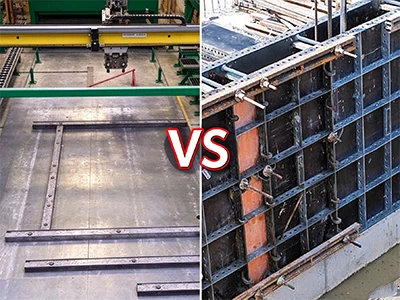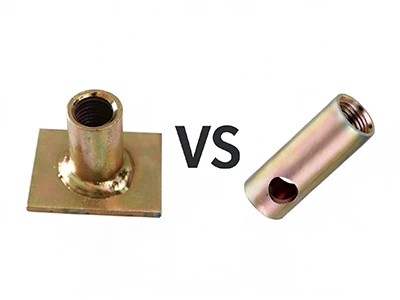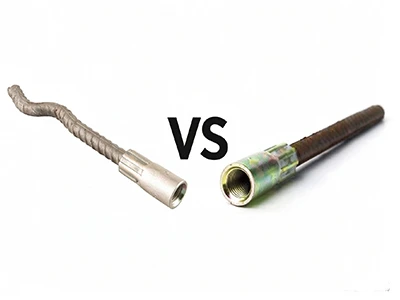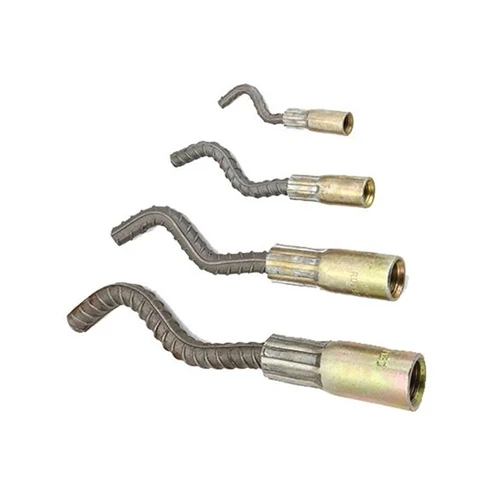



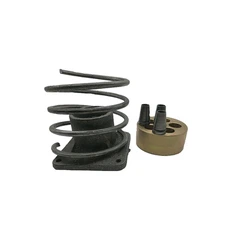

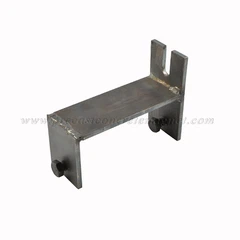
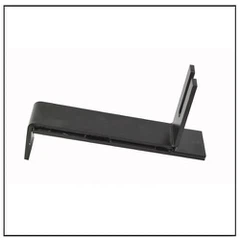


In precast concrete production, formwork setup and removal can take up valuable time between casting cycles. If your factory handles frequent mold changes, the fixing method you choose can directly affect labor requirements and production efficiency. Formwork magnets offer a quick way to secure and reposition formwork on steel casting tables, while bolted formwork relies on mechanical fastening. But which method is actually faster in daily production? In this guide, you'll compare installation speed, removal time, labor needs, and long-term costs to determine which fixing system makes more sense for your precast concrete factory.
What Is a Formwork Magnet?
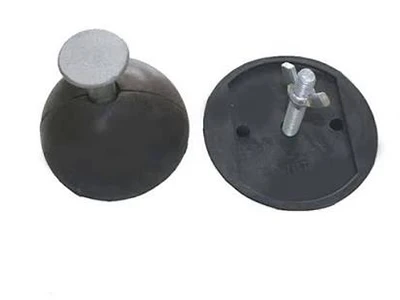
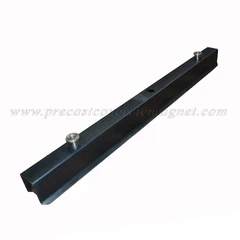
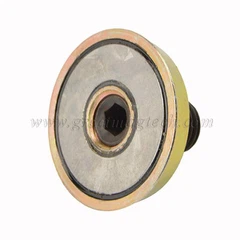
A formwork magnet is a reusable magnetic fixing device that helps you secure formwork to steel casting tables without drilling or bolting.
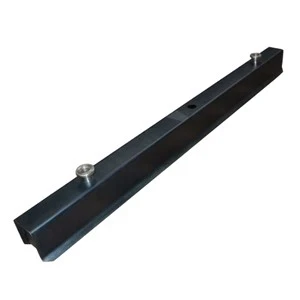
How Formwork Magnets Work
Formwork magnets use powerful permanent magnets to hold shuttering profiles against steel casting surfaces. You position the magnet, activate it using the built-in mechanism, and secure your formwork. After casting, you release the magnet with the appropriate tool, allowing quick removal and repositioning.
Key Features of Formwork Magnets
- Fast installation: You can secure formwork without drilling holes or tightening bolts.
- Reusable design: Magnets support repeated production cycles with proper maintenance.
- Easy repositioning: You can adjust formwork layouts when producing different precast elements.
- Reduced table damage: Magnetic fixing avoids additional drilling into steel casting tables.
Typical Applications
You can use formwork magnets when producing precast wall panels, floor slabs, beams, and other concrete elements. They are particularly useful when your factory requires frequent formwork changes between production runs.
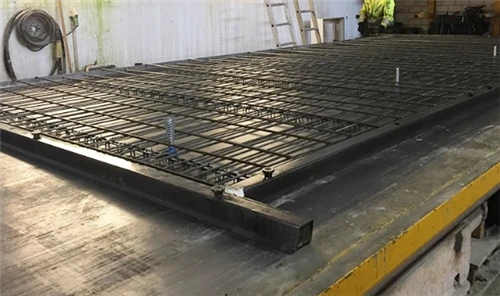
What Is Bolted Formwork?
Bolted formwork is a traditional fixing system that uses bolts and mechanical fasteners to secure formwork to casting tables or supporting structures during precast concrete production.
How Bolted Formwork Works
You secure formwork using bolts, nuts, and fixing brackets attached to prepared holes or mounting points. Once tightened, these connections keep the formwork in position during concrete pouring. To remove or adjust the formwork, you must loosen the fasteners and detach the supporting components.
Key Features of Bolted Formwork
- Mechanical stability: Provides secure connections when properly installed.
- Fixed positioning: Suitable for production layouts that rarely change.
- Manual installation: Requires tools for tightening and removing fasteners.
- Maintenance needs: Bolts and threaded connections require regular inspection.
Typical Applications
You can use bolted formwork for precast beams, columns, wall panels, and other concrete elements. It is particularly suitable when your factory produces standardized components with consistent dimensions and limited formwork changes.
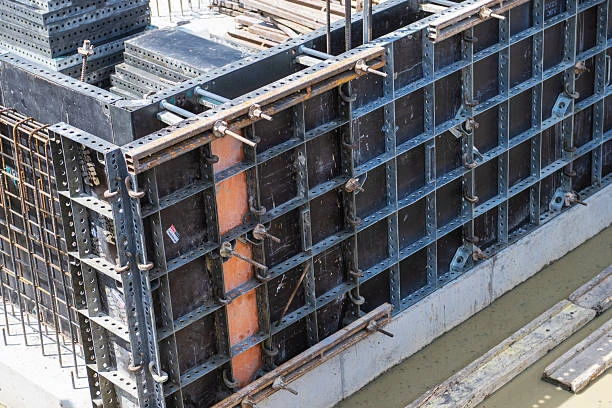
Formwork Magnet vs Bolted Formwork: Key Differences
When comparing formwork magnets and bolted formwork, you should consider installation speed, removal time, labor requirements, flexibility, and long-term costs to determine which fixing method best suits your precast concrete production needs.
|
Comparison Factor |
Formwork Magnet |
Bolted Formwork |
|
Fixing Method |
Uses magnetic force to secure formwork to steel casting tables. |
Uses bolts, nuts, and mechanical fasteners to secure formwork. |
|
Installation Speed |
Generally faster, with no drilling or bolt tightening required. |
Usually slower due to positioning and fastening steps. |
|
Removal Time |
Quick release using the appropriate activation or release tool. |
Requires loosening and removing mechanical fasteners. |
|
Labor Requirements |
Fewer manual fastening steps, potentially reducing labor time. |
More hands-on work for installation and removal. |
|
Repositioning Flexibility |
Easy to move when changing formwork layouts. |
Repositioning may require different mounting points or holes. |
|
Casting Table Compatibility |
Requires a suitable ferromagnetic steel surface. |
Can work with various supporting structures using compatible fixings. |
|
Holding Performance |
Depends on magnet capacity, surface contact, and loading conditions. |
Depends on bolt capacity, connection design, and installation quality. |
|
Maintenance |
Requires cleaning, inspection, and protection of magnetic contact surfaces. |
Requires inspection of bolts, threads, and fastening components. |
|
Initial Investment |
May involve higher upfront equipment costs. |
May have lower initial fastening costs, depending on the system. |
|
Long-Term Costs |
Can reduce labor costs in production with frequent formwork changes. |
Repeated fastening and removal may increase labor costs over time. |
|
Best Applications |
Precast factories with frequent changeovers and flexible production layouts. |
Precast factories with fixed layouts and standardized production runs. |
Which Fixing Method Is Faster to Install?
Formwork magnets generally offer faster installation than bolted formwork, but the actual time you save depends on your production setup and fixing requirements.
Formwork Magnet Installation Process
You position the formwork on your steel casting table, place the magnets at the required fixing points, and activate them. Once secured, you check the alignment before pouring concrete. This process eliminates drilling and bolt tightening, helping you reduce setup time.
Bolted Formwork Installation Process
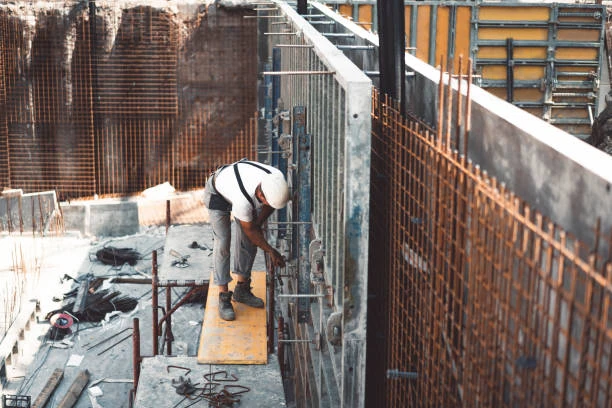
With bolted formwork, you align the formwork with mounting points, install brackets and fasteners, and tighten each connection. You must also check that all bolts are properly secured, which adds time when multiple fixing points are involved.
What Determines Actual Installation Speed?
Your installation time depends on formwork length, fixing point quantity, operator experience, and tool availability. For frequent production changes, fewer fastening steps can make magnetic fixing more efficient.
How Do Removal and Changeover Times Compare?
Formwork magnets generally make removal and changeovers faster, especially when you frequently adjust mold layouts for different precast concrete elements.
Removing Magnetic Formwork
After the concrete reaches the required stripping strength, you release the magnets using the appropriate tool and lift the formwork away. You can then clean the contact surfaces and prepare the equipment for the next production cycle without removing multiple fasteners.
Removing Bolted Formwor
With bolted formwork, you must loosen each fastener, detach brackets where necessary, and remove the formwork. This process can take longer when your production line uses numerous fixing points or requires additional tools.
Repositioning Formwork for Different Elements
If you produce panels or slabs in different sizes, magnetic fixing allows you to adjust formwork positions without relying on existing bolt holes. This flexibility can reduce changeover time and help you maintain smoother production schedules.
What Affects Formwork Magnet Holding Performance?
To keep your formwork secure during concrete pouring, you need to consider casting table conditions, concrete pressure, and magnet positioning.
Casting Table Material and Surface Condition
Formwork magnets work best on clean, flat, ferromagnetic steel surfaces. If your casting table has insufficient steel thickness, rust, concrete residue, or uneven contact areas, the magnets may provide less holding force than their rated capacity.
Formwork Height and Concrete Pressure
Taller formwork can experience greater lateral pressure during concrete pouring. You should consider formwork height, concrete consistency, and pouring methods when selecting magnets. Higher loads may require additional fixing points or a different restraint system.
Magnet Holding Force and Positioning
You should check each magnet's rated holding force
and recommended spacing. Proper positioning helps distribute loads along the formwork. Always verify that the selected magnets, adapters, and formwork profiles can withstand your actual casting conditions.
How to Choose Between Formwork Magnets and Bolts
Your choice between formwork magnets and bolted formwork should depend on your production requirements, changeover frequency, and existing casting equipment.
Choose Formwork Magnets If You Need
Formwork magnets are a practical option if you:
- Frequently change formwork layouts for different precast elements.
- Want faster installation and removal between production cycles.
- Use compatible steel casting tables.
- Need flexible positioning without drilling additional holes.
Choose Bolted Formwork If You Need
Bolted formwork may suit your factory if you:
- Produce standardized elements with fixed dimensions.
- Rarely change formwork positions.
- Have existing mounting points and fastening equipment.
- Require mechanical connections for specific loading conditions.
Key Factors to Check Before Selecting
Before deciding, evaluate your casting table material, formwork height, concrete pressure, and required fixing capacity. You should also compare installation time, labor costs, maintenance needs, and expected production cycles to determine which system delivers better long-term value.
Conclusion
Formwork magnets are generally faster than bolted formwork, especially when your precast concrete factory requires frequent setup, removal, and mold changes. By reducing manual fastening steps, magnetic fixing can help you shorten changeover times, lower labor costs, and improve production flexibility.
However, bolted formwork remains a practical choice if you produce standardized concrete elements with fixed layouts and limited adjustments. Your final decision should consider casting table compatibility, holding requirements, production volume, and long-term operating costs.
If you want to improve formwork efficiency, choosing the right fixing system is essential. Explore our formwork magnets or contact our team to find a suitable solution for your precast concrete production requirements.
FAQs
Q: Are Formwork Magnets Faster Than Bolts?
A: Yes, formwork magnets are generally faster to install and remove because you don't need to drill holes or tighten multiple bolts. They are especially efficient when your production line requires frequent formwork changes.
Q: Can Formwork Magnets Replace Bolted Fixings?
A: Yes, in many applications. However, you need to check your casting table material, formwork dimensions, and fixing requirements to ensure magnetic fixing provides sufficient holding capacity.
Q: Do Formwork Magnets Work on All Steel Tables?
A: No. Formwork magnets require a suitable ferromagnetic steel surface. Your casting table's thickness, flatness, and surface condition can affect the magnets' actual holding force.
Q: Which Fixing Method Is Better for Frequent Changeovers?
A: Formwork magnets are generally better for frequent changeovers. You can release, move, and secure them in new positions without adjusting bolt holes, helping reduce downtime between production cycles.
Q: Are Formwork Magnets Suitable for Automated Production Lines?
A: Yes, compatible magnetic shuttering systems can be used in automated precast production lines. You should confirm that the magnets, formwork profiles, and handling equipment support your automation requirements.
Q: Are Formwork Magnets Strong Enough for Concrete Pouring?
A: Yes, when properly selected and positioned. You need to consider concrete pressure, formwork height, magnet holding capacity, and fixing point spacing to ensure the system remains secure during pouring.