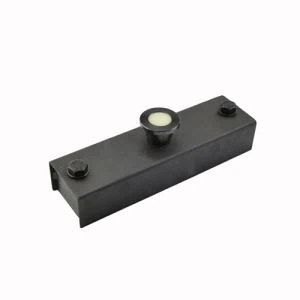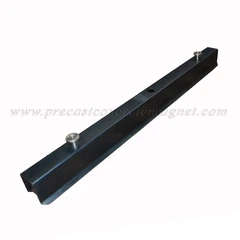
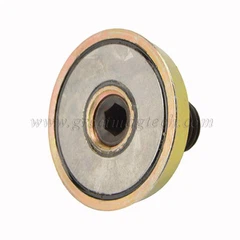





The occurrence of a 15KG Embedded Magnet losing its magnetism can be a frustrating and concerning issue, both for users and suppliers like me. As a seasoned provider of high - quality 15KG Embedded Magnet, I understand the importance of getting the magnet back to its optimal working condition. In this blog, I'll share some professional and scientific ways to remagnetize a 15KG Embedded Magnet.
Understanding the Demagnetization Process
Before we jump into the solutions, it's crucial to understand why a magnet might lose its magnetism. There are several factors that can lead to demagnetization. High temperatures can significantly affect the magnetic properties of a magnet. When a magnet is exposed to temperatures above its Curie point (the temperature at which a ferromagnetic material loses its permanent magnetic properties), the magnetic domains within the material become disordered, and the magnetism weakens or even disappears.
Mechanical shock and vibration can also play a role. Repeated impacts or strong vibrations can disrupt the alignment of the magnetic domains. Over time, this misalignment accumulates, causing the magnet to lose its overall magnetic strength.
Another factor is exposure to opposing magnetic fields. If a magnet is placed in a strong magnetic field that is opposite to its own, it can cause the magnetic domains to realign in the direction of the opposing field, reducing or eliminating the original magnetism.
Checking the Extent of Demagnetization
The first step in remagnetizing a 15KG Embedded Magnet is to assess how much magnetism it has lost. You can perform a simple test using ferromagnetic objects like iron nails or small steel balls. Bring the object close to the magnet and observe the strength of the attraction. If the object is barely attracted or shows significantly less attraction compared to a fully - functional magnet of the same type, demagnetization has occurred. For more accurate measurements, you can use a gaussmeter, a device that measures the strength of a magnetic field. By measuring the magnetic field strength at different points on the magnet, you can get a clear picture of how much the magnetism has declined.
Methods to Remagnetize a 15KG Embedded Magnet
Using a Stronger Permanent Magnet
One of the simplest ways to remagnetize a 15KG Embedded Magnet is by using a stronger permanent magnet. You need to select a magnet that has a significantly higher magnetic strength than the demagnetized magnet. Place the stronger magnet on one pole of the demagnetized magnet and then slowly stroke it along the length of the demagnetized magnet in one direction. Do this process multiple times, usually around 20 - 30 strokes. This helps realign the magnetic domains in the demagnetized magnet. However, for a large and heavy 15KG magnet, this method might be physically demanding, and it's important to ensure proper handling to avoid injury.
Electromagnetic Field Remagnetization
A more effective and commonly used method for remagnetizing large magnets is using an electromagnetic field. To do this, you need to build or acquire an electromagnet. An electromagnet consists of a coil of wire wrapped around a ferromagnetic core. When an electric current passes through the coil, it generates a magnetic field.
First, place the demagnetized 15KG Embedded Magnet inside the coil of the electromagnet. Make sure the magnet is properly centered. Then, pass a high - intensity electric current through the coil for a short period. The magnetic field generated by the electromagnet will force the magnetic domains within the demagnetized magnet to realign in the desired direction. It's important to note that the direction of the current and the orientation of the magnet within the coil determine the polarity of the newly - magnetized magnet. Make sure to follow a specific pattern to achieve the correct polarity.
The strength of the electric current and the duration of the magnetization process need to be carefully controlled. Too little current might not be enough to realign all the magnetic domains, while too much current can cause overheating, which could further damage the magnet or the electromagnet itself. It's recommended to start with a lower current and gradually increase it while monitoring the magnet's magnetization progress.
This method is especially useful for large - scale magnets like the 15KG Embedded Magnet because it can generate a strong and uniform magnetic field over the entire volume of the magnet.
Precautions During Remagnetization
When attempting to remagnetize a 15KG Embedded Magnet, safety should be your top priority. If you're using an electromagnet, make sure the electrical connections are secure and properly insulated to prevent electrical shocks. Wear appropriate safety equipment, such as gloves and safety glasses, to protect yourself from any potential mechanical hazards.
Also, be aware of the potential for the magnet to attract nearby ferromagnetic objects during the remagnetization process. These objects can come flying towards the magnet with great force, causing injury. Keep the work area clear of any loose ferromagnetic materials.
Importance of Regular Maintenance to Prevent Demagnetization
While knowing how to remagnetize a magnet is essential, it's even better to prevent demagnetization in the first place. Regular maintenance and proper storage can significantly extend the lifespan of your 15KG Embedded Magnet.
Store the magnets in a cool, dry place away from sources of heat, excessive vibration, and strong opposing magnetic fields. If possible, use a magnet keeper, which is a piece of ferromagnetic material placed across the poles of the magnet. A magnet keeper helps to maintain the magnetic field within the magnet and reduces the likelihood of demagnetization over time.
Periodically check the magnetic strength of the magnets using a gaussmeter or simple attraction tests. By detecting early signs of demagnetization, you can take preventive measures and avoid more serious issues down the line.
Related Products and Their Applications
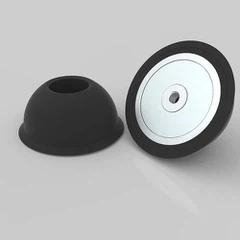
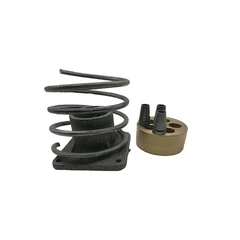
As a 15KG Embedded Magnet supplier, I also offer related products that can enhance the performance and functionality of your magnets. For example, the D70x12mm Magnet Socket Holder is a great accessory that can securely hold your magnets in place. It's designed to provide a stable mounting solution for various applications, such as in precast concrete production. The holder is made of high - quality materials that can withstand the harsh conditions of industrial environments.
Another product is the Embedded Connecting Sleeve Fixed Magnet. This magnet is specifically designed for use in embedded connecting sleeves, which are commonly used in construction projects. The fixed magnet provides a reliable and strong connection, ensuring the stability and integrity of the structures.
Conclusion and Call to Action
In conclusion, the loss of magnetism in a 15KG Embedded Magnet is not an insurmountable problem. With the right knowledge and techniques, you can effectively remagnetize the magnet and restore its functionality. By understanding the causes of demagnetization and taking preventive maintenance measures, you can ensure the long - term performance of your magnets.
If you're facing issues with your magnet or are interested in purchasing high - quality 15KG Embedded Magnets, related products such as the D70x12mm Magnet Socket Holder or the Embedded Connecting Sleeve Fixed Magnet, feel free to reach out. We're always ready to provide professional advice and high - quality products to meet your needs. Whether you need a single magnet or a large - scale order for a project, we can assist you. Let's have a discussion about your requirements and find the best solution for you.


References
- Cullity, B. D., & Graham, C. D. (2008). Introduction to Magnetic Materials. Wiley-IEEE Press.
- Bozorth, R. M. (1993). Ferromagnetism. IEEE Press.
- Kittel, C. (1996). Introduction to Solid State Physics. Wiley.