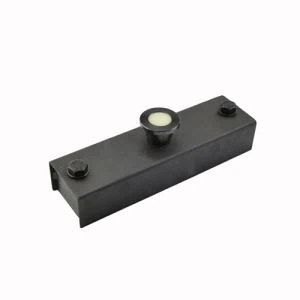


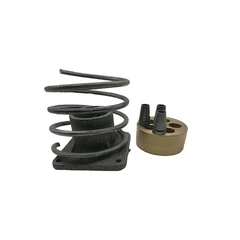

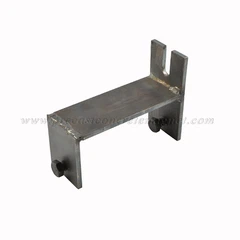
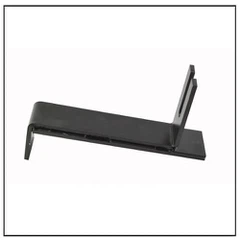


Hey there! I'm a supplier of GME - 35 Precast Magnet, and today I wanna have a chat about whether this little guy can be used in high - speed rotating equipment.
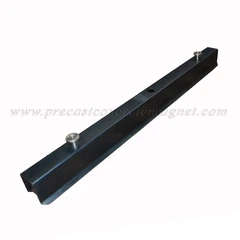
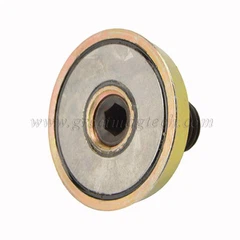
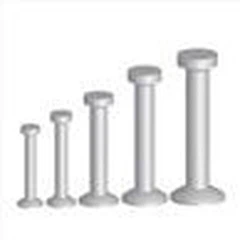
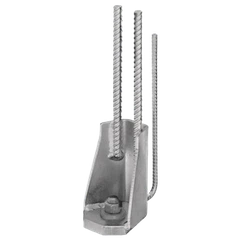
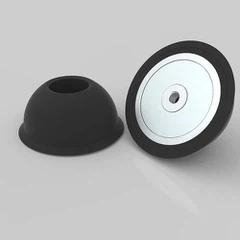
First off, let's get to know the GME - 35 Precast Magnet a bit better. This magnet is a real workhorse in the precast concrete industry. It's well - known for its reliability and strength when it comes to holding stuff in place during the precast concrete production process. You can check out some related products like the Philippine Wire Box Magnet For Precast Concrete Production, 50KG Embedded Magnet, and Bushing Magnets on our website. They all share some similarities with the GME - 35 in terms of functionality within the precast field.
Now, when we talk about high - speed rotating equipment, things get a bit more complicated. High - speed rotating equipment has some unique requirements. For starters, the materials used in it need to be able to withstand high centrifugal forces. When an object rotates at high speed, there's a force pushing it outwards. If the magnet isn't strong enough to handle this force, it could get dislodged or even break apart, which would be a disaster for the equipment.
The GME - 35 Precast Magnet is designed mainly for static or low - movement applications in precast concrete. It's built to hold molds, inserts, and other components firmly in place while the concrete sets. Its magnetic force is optimized for this kind of work. But in high - speed rotating equipment, we're dealing with a whole new ballgame.
One of the key factors to consider is the magnetic stability of the GME - 35. In high - speed rotation, the magnetic field of the magnet can be affected by the rapid movement and the changing forces. If the magnetic field becomes unstable, it can lead to inconsistent performance of the equipment. For example, if the magnet is supposed to hold a certain part in a precise position during rotation, an unstable magnetic field might cause that part to shift, leading to vibrations, noise, and potentially damage to the equipment.
Another aspect is the heat generated during high - speed rotation. Friction and other factors can cause the temperature of the equipment to rise. The GME - 35 is designed to work in normal ambient temperatures typical of precast concrete production sites. High temperatures can have a negative impact on the magnetic properties of the magnet. As the temperature increases, the magnet's coercivity (the ability to resist demagnetization) can decrease. This means that the magnet might lose some of its magnetic strength over time, which is definitely not what we want in high - speed rotating equipment.
However, it's not all doom and gloom. There are some cases where the GME - 35 could potentially be used in high - speed rotating equipment, but with some modifications and careful considerations. If the rotational speed is relatively low and the centrifugal forces are within the magnet's capacity, it might work. Also, if proper cooling systems are in place to keep the temperature of the magnet under control, the negative effects of heat on its magnetic properties can be minimized.
Let's take a look at some real - world examples. In some small - scale, low - speed rotating devices, where the requirements are not as strict as in large industrial high - speed equipment, the GME - 35 might be a viable option. For instance, in some laboratory - scale rotating models or small - scale manufacturing equipment with limited rotational speeds, the magnet could be used after a thorough assessment of the specific conditions.
But for large - scale, high - speed industrial rotating equipment like turbines or high - speed motors, using the GME - 35 without significant modifications would be a big risk. These types of equipment demand magnets that are specifically designed for high - speed rotation, with features like high - strength materials, excellent magnetic stability under high - speed conditions, and good heat resistance.
If you're thinking about using the GME - 35 in high - speed rotating equipment, I'd recommend doing a detailed feasibility study. You need to analyze the specific requirements of your equipment, such as the rotational speed, the centrifugal forces involved, the temperature range, and the precision needed. You might also want to consult with a magnetic materials expert to get a better understanding of how the magnet will perform in your particular application.
As a supplier of the GME - 35 Precast Magnet, I'm always open to working with customers to find the best solutions. If you have an application where you think the GME - 35 could be used, even in high - speed rotating equipment, let's have a chat. We can discuss the possibilities, do some tests if needed, and see if we can make it work for you. Whether it's modifying the magnet or finding an alternative solution, I'm here to help.
So, if you're interested in learning more about the GME - 35 Precast Magnet or want to discuss its potential use in your high - speed rotating equipment, don't hesitate to reach out. Let's start a conversation and see if we can come up with the right solution for your needs.


References
- General knowledge of precast magnet applications
- Principles of high - speed rotating equipment design