




What is the difference between bushing magnets and other types of magnets?
As a supplier of Bushing Magnets, I've had the privilege of witnessing firsthand the diverse applications and unique characteristics of different types of magnets. In the world of magnetism, each type serves a distinct purpose, and understanding their differences is crucial for making informed decisions in various industries. In this blog post, I'll delve into the differences between bushing magnets and other common types of magnets, exploring their properties, applications, and advantages.
Understanding Bushing Magnets
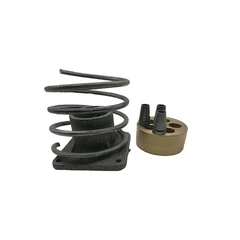
Bushing Magnets are a specialized type of magnet designed with a bushing or sleeve around the magnetic core. This bushing serves multiple purposes, including protecting the magnet from damage, providing a smooth surface for easy installation, and enhancing the magnet's overall performance in specific applications. Bushing magnets are typically made from high-quality magnetic materials such as neodymium, ferrite, or samarium cobalt, depending on the required strength and temperature resistance.
One of the key features of bushing magnets is their versatility. They can be customized to meet the specific needs of different applications, with various sizes, shapes, and magnetic strengths available. This makes them suitable for a wide range of industries, including automotive, electronics, manufacturing, and construction.
Comparing with Other Types of Magnets
Permanent Magnets
Permanent magnets, as the name suggests, have a long - lasting magnetic field and do not require an external power source to maintain their magnetism. Common types of permanent magnets include neodymium, samarium cobalt, and ferrite magnets.
- Strength: Neodymium magnets are known for their extremely high magnetic strength, making them ideal for applications where a strong magnetic field is required, such as in electric motors. Bushing magnets can also use neodymium as the core material, but the bushing may slightly reduce the effective magnetic field strength at the surface. However, in applications where protection and ease of handling are more important, the trade - off in strength is often acceptable.
- Temperature Resistance: Samarium cobalt magnets have excellent temperature resistance, maintaining their magnetic properties at high temperatures. Ferrite magnets also have good temperature stability but lower magnetic strength compared to neodymium. Bushing magnets can be designed with appropriate core materials to achieve the desired temperature resistance, and the bushing can further protect the magnet from thermal stress in some cases.
Electromagnets
Electromagnets generate a magnetic field when an electric current passes through a coil of wire. Unlike permanent magnets, the magnetic field of an electromagnet can be turned on and off, and its strength can be adjusted by changing the current.
- Controllability: The main advantage of electromagnets is their controllability. They are commonly used in applications such as magnetic lifting devices, where the ability to turn the magnetic field on and off is essential. Bushing magnets, on the other hand, are passive and always have a magnetic field. However, in applications where a constant magnetic force is required, such as in holding or clamping, bushing magnets are more reliable and do not require a continuous power supply.
- Power Consumption: Electromagnets consume power as long as the current is flowing, which can lead to higher operating costs and potential heat generation. Bushing magnets, being permanent magnets, do not have this issue, making them more energy - efficient in the long run.
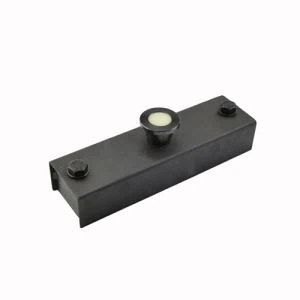
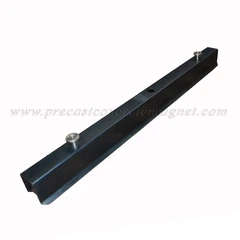
Magnetic Nailing Plates for Precast Concrete Magnet
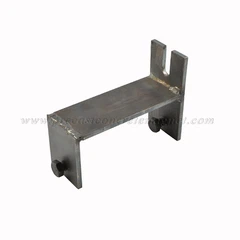
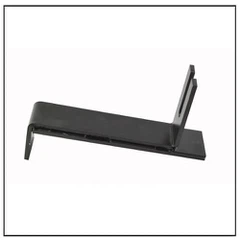
Magnetic Nailing Plates for Precast Concrete Magnet are designed specifically for precast concrete applications. They are used to hold nails or other fasteners in place during the precast concrete manufacturing process.
- Application Focus: Magnetic nailing plates are focused on a very specific application in the precast concrete industry. Bushing magnets, on the other hand, have a broader range of applications. While they can also be used in the construction industry, they are not limited to precast concrete. They can be used in automotive assembly, electronic device manufacturing, and many other fields.
- Design Features: Magnetic nailing plates are designed with a flat surface to hold nails effectively, and their magnetic strength is optimized for this purpose. Bushing magnets can have different shapes and can be designed to provide a magnetic force in various directions, depending on the application requirements.
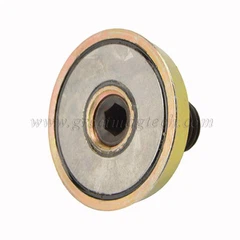
15KG Embedded Magnet
15KG Embedded Magnet is a type of magnet with a specific weight - rated holding force. These magnets are often used in applications where a certain level of holding force is required, such as in fixture applications.


- Holding Force: The 15KG embedded magnet is designed to provide a specific and relatively high holding force. Bushing magnets can be designed to have different holding forces, depending on the size and magnetic material used. In some cases, bushing magnets may be used to provide a more precise and controlled holding force, especially when the bushing can be used to adjust the magnetic field distribution.
- Installation and Protection: Embedded magnets are typically designed to be embedded into a structure, while bushing magnets can be more easily installed on the surface or in other configurations. The bushing on a bushing magnet provides additional protection, which may be more important in some applications where the magnet is exposed to harsh environments or mechanical stress.
Advantages of Bushing Magnets
Protection
The bushing around the magnet core provides protection against physical damage, corrosion, and wear. This is especially important in applications where the magnet is exposed to harsh environments or frequent handling. For example, in automotive manufacturing, bushing magnets can withstand the vibrations and impacts during the assembly process.
Easy Installation
The smooth surface of the bushing makes it easier to install the magnet in the desired location. It reduces the friction between the magnet and the surface it is being installed on, allowing for a more precise and efficient installation process.
Customization
Bushing magnets can be easily customized in terms of size, shape, magnetic strength, and the type of bushing material. This allows us to meet the specific requirements of different customers and applications.
Applications of Bushing Magnets
- Automotive Industry: Bushing magnets are used in automotive sensors, motors, and actuators. They provide reliable magnetic force in a compact and protected package, ensuring the proper functioning of various automotive components.
- Electronics Industry: In electronic devices such as speakers, hard drives, and mobile phones, bushing magnets are used to generate magnetic fields for various functions. The protection provided by the bushing helps to prevent damage to the magnet and ensures the longevity of the device.
- Manufacturing Industry: Bushing magnets are used in fixtures and clamping devices to hold workpieces in place during machining and assembly processes. The ease of installation and reliable holding force make them a popular choice in manufacturing operations.
- Construction Industry: They can be used in precast concrete applications, as well as in other construction - related uses such as magnetic door catches and window closures.
Contact Us for Purchasing and Consultation
If you are interested in learning more about our bushing magnets or other magnet products, or if you have a specific application in mind and need advice on the right magnet solution, we are here to help. Our team of experts has extensive knowledge and experience in the field of magnetism and can provide you with customized solutions to meet your needs. Whether you are in the automotive, electronics, manufacturing, or construction industry, we have the right magnet products for you. Reach out to us to start a discussion about your procurement requirements and let us work together to find the best magnet solution for your business.
References
- "Magnetic Materials and Their Applications" by David Jiles
- "Handbook of Magnetism and Advanced Magnetic Materials" edited by Helmut Kronmuller and Stuart Parkin
- Industry - specific research papers on the use of magnets in automotive, electronics, manufacturing, and construction industries.