





Alright folks, today I'm gonna dive into the nitty - gritty of how a magnetic chamfer works. As a supplier of magnetic chamfers, I've seen these nifty little tools in action more times than I can count, and I'm excited to share the science (and the practicality) behind them.
Let's start with the basics. What exactly is a magnetic chamfer? Well, it's a tool used mainly in the construction and precast concrete industries. A chamfer is basically a beveled edge, and a magnetic chamfer is designed to create these beveled edges on different materials, especially concrete, in a quick, easy, and precise way.
The Structure of a Magnetic Chamfer
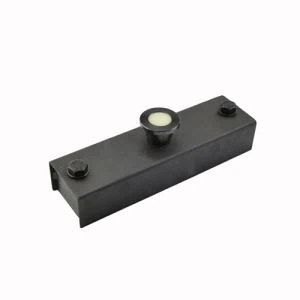
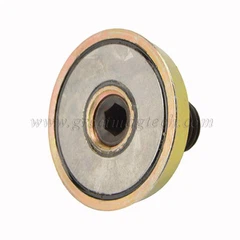
Most magnetic chamfers have two main parts: the magnetic base and the chamfering edge. The magnetic base is what gives the tool its unique functionality. It's made of a strong magnet, often a neodymium magnet, which is known for its powerful magnetic field. These magnets can generate a strong force even in relatively small sizes.
The chamfering edge is the part that actually shapes the material. It can come in different materials like urethane or other durable plastics. The choice of material for the chamfering edge depends on the application and the type of material it needs to work on.
How the Magnetic Force Works
The key to understanding how a magnetic chamfer works lies in understanding magnets. Magnets have two poles, a north pole and a south pole. Opposite poles attract each other, and like poles repel. In a magnetic chamfer, the magnetic base is designed to attract to a ferromagnetic surface, which is usually a steel form.
When you place the magnetic chamfer on a steel form, the magnetic force pulls it tightly against the surface. This creates a secure and stable connection. The strength of the magnetic force is significant enough to hold the chamfer in place even during the pouring and vibrating of concrete, which are common steps in the precast concrete manufacturing process.
Let's say you're working on a precast concrete project. You want to create a beveled edge on the concrete component. You first place the magnetic chamfer on the steel form where you want the bevel. The magnet immediately sticks to the form. You can then pour the concrete into the form as usual. The magnetic chamfer stays firmly in place, and as the concrete hardens, it takes on the shape of the chamfering edge, creating a perfect bevel.
Types of Magnetic Chamfers and Their Working
Triangular Magnetic Chamfer For Precast Concrete Industry
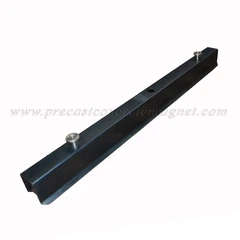
One popular type of magnetic chamfer is the Triangular Magnetic Chamfer For Precast Concrete Industry. This type is specifically designed for the precast concrete industry. It has a triangular shape, which is ideal for creating sharp - angled bevels. The magnetic base ensures that it stays in place while the concrete is being poured and set. The triangular design allows for a more precise and consistent bevel compared to some other shapes.
Magnetic Urethane Flexible Chamfer
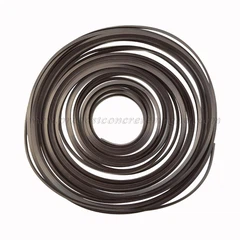
The Magnetic Urethane Flexible Chamfer is another interesting variant. The urethane material used in the chamfering edge is flexible, which makes it suitable for creating bevels on irregular or curved surfaces. The flexibility allows it to conform to the shape of the surface without losing its magnetic grip. This is really useful when you're working on projects that require non - standard bevels.
Magnetic Urethane Chamfer
The Magnetic Urethane Chamfer offers a combination of the strength of the magnetic base and the durability of urethane. Urethane is resistant to wear and tear, chemicals, and abrasion. This means that the chamfer can be used for multiple projects without losing its effectiveness. The magnetic base ensures that it can be easily attached and removed from the steel form, making it a convenient tool for construction workers.
Advantages of Using Magnetic Chamfers
One of the main advantages of magnetic chamfers is the ease of use. Compare them to traditional methods of creating chamfers, which might involve using manual tools and a lot of labor - intensive work. With a magnetic chamfer, you simply place it on the form, and it does the job. It saves a ton of time and effort.
Another benefit is the precision. Magnetic chamfers create consistent and accurate bevels every time. This is crucial in the construction industry, where the quality and appearance of the finished product are of utmost importance.
They're also reusable. After the concrete has hardened and the form is removed, you can easily take off the magnetic chamfer and use it for another project. This makes them a cost - effective solution in the long run.


Maintenance of Magnetic Chamfers
Maintenance of magnetic chamfers is relatively simple. After each use, you should clean the chamfering edge to remove any concrete residue. You can use a brush or a mild cleaning solution. Make sure the magnetic base is dry to prevent rusting. If the chamfering edge shows signs of excessive wear, you might need to replace it, but this is rare if used properly.
Conclusion
So, there you have it – a detailed look at how a magnetic chamfer works. These little tools are a game - changer in the precast concrete and construction industries. They offer a simple, efficient, and precise way to create beveled edges. Whether you're working on small DIY projects or large - scale industrial precast work, magnetic chamfers are a great addition to your toolkit.
If you're interested in using magnetic chamfers for your projects or have any questions about our products, don't hesitate to reach out. We're here to help you find the right magnetic chamfer for your specific needs. Just drop us a message and start the procurement discussion!
References
- "Magnetism Basics", Physics Handbook
- "Precast Concrete Manufacturing Guide", Construction Industry Publications