




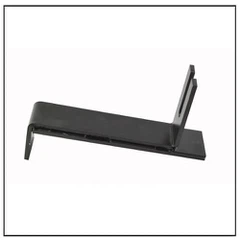


As a reputable supplier of Formwork Magnets, the process of ensuring that these powerful tools are correctly installed on metal formwork is one that I'm both passionate about and highly knowledgeable in. Installing formwork magnets properly not only guarantees the safety and efficiency of construction projects but also maximizes the lifespan and performance of the magnets themselves.
Understanding Formwork Magnets
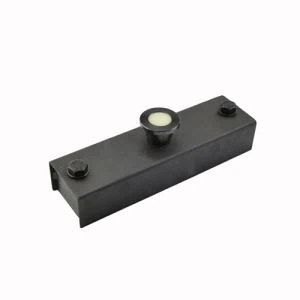
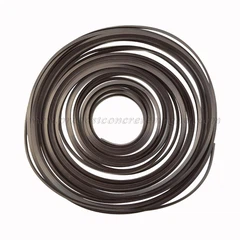
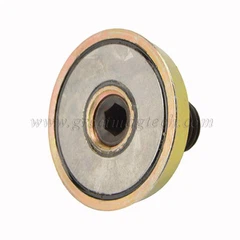
Before delving into the installation process, it's essential to understand what formwork magnets are and their role in construction. Formwork magnets are specialized magnetic devices used to secure and hold formwork in place during concrete pouring and setting. They offer a quick, efficient, and reusable alternative to traditional fastening methods such as nails and screws. Our Formwork Magnet range is designed with high - strength magnetic materials, ensuring reliable performance in various construction scenarios.
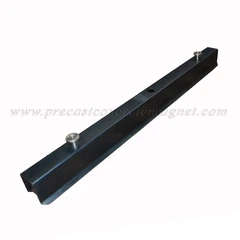
There are different types of formwork magnets, each suited to specific applications. For instance, the U60 Formwork Magnet is known for its versatility and can be used in a wide range of precast and on - site concrete construction projects. Another product, the Shuttering Magnet System For Precast Concrete Edge Module, is specifically engineered for precast concrete edge formwork applications.
Pre - installation Preparations
Assessing the Metal Formwork
The first step in installing formwork magnets on metal formwork is to thoroughly assess the formwork itself. Check the surface of the metal formwork for any signs of damage, rust, or debris. A smooth and clean surface is crucial for the magnets to adhere properly. If there is rust, it should be removed using a wire brush or sandpaper. Any debris, such as dust or dirt, can be cleaned off with a dry cloth or compressed air.


Measure the thickness of the metal formwork. Different formwork magnets are designed to work with specific metal thicknesses. Ensure that the magnets you've selected are suitable for the thickness of your formwork. Using magnets that are not appropriate for the metal thickness can lead to insufficient holding force and potential safety risks during concrete pouring.
Selecting the Right Magnets
Based on the assessment of the metal formwork, select the appropriate formwork magnets. Consider factors such as the size of the formwork, the type of concrete being used, and the expected pressure during the pouring process. For large - scale formwork or heavy - duty concrete pouring, more powerful magnets may be required.
Our comprehensive range of formwork magnets allows you to choose the most suitable product for your project. For example, if you're working on a precast concrete edge module project, the Shuttering Magnet System For Precast Concrete Edge Module would be an ideal choice due to its specialized design.
Installation Process
Marking the Installation Positions
Before placing the magnets on the metal formwork, mark the positions where the magnets will be installed. This can be done using a measuring tape and a marker. The spacing between the magnets depends on the size of the formwork and the expected concrete pressure. As a general rule, for smaller formwork sections, magnets can be spaced more closely together, while for larger formwork, a wider spacing may be sufficient. However, it's important not to space the magnets too far apart, as this can result in uneven holding force and potential formwork displacement.
Cleaning the Magnet Surface
Clean the surface of the formwork magnets to remove any dust or contaminants. A clean magnet surface ensures better contact with the metal formwork and maximizes the magnetic holding force. Use a dry cloth to wipe the magnets before installation.
Placing the Magnets
Carefully place the formwork magnets on the marked positions on the metal formwork. Ensure that the magnets are aligned correctly and firmly pressed against the formwork surface. For some magnets, there may be orientation markings that indicate the correct way to place them. Make sure to follow these markings for optimal performance.
Securing the Magnets
In some cases, additional securing methods may be required to ensure the stability of the magnets. This can be done using mechanical fasteners or clamps, especially when dealing with high - pressure concrete pouring or large - scale formwork. However, always ensure that any additional securing methods do not interfere with the magnetic function of the magnets.
Post - installation Checks
Checking the Holding Force
Once all the magnets are installed, check the holding force of each magnet. Try to gently pry the formwork away from the magnets using a lever or a similar tool. The formwork should not move easily. If any magnet shows insufficient holding force, remove it and re - install it after checking for any issues such as a dirty surface or incorrect placement.
Inspecting the Formwork Alignment
Inspect the alignment of the formwork to ensure that it is straight and level. The formwork should be properly held in place by the magnets without any visible gaps or misalignments. Any misalignments can lead to uneven concrete pouring and affect the final quality of the concrete structure.
Maintenance of Formwork Magnets
Proper maintenance of formwork magnets is essential to ensure their long - term performance. After each use, clean the magnets thoroughly to remove any concrete residue or dirt. Store the magnets in a dry and clean environment to prevent rusting. Inspect the magnets regularly for any signs of damage, such as cracks or a decrease in magnetic strength.
Troubleshooting
If you encounter problems during the installation or use of formwork magnets, here are some common issues and solutions:
- Insufficient holding force: Check the surface cleanliness of both the magnet and the formwork. Ensure that the magnets are suitable for the metal thickness. If necessary, replace the magnets with more powerful ones.
- Magnet not attracting formwork: Check the magnet's orientation. Make sure there are no other magnetic or metal objects interfering with the magnet's function.
- Formwork displacement: Re - check the spacing and installation positions of the magnets. Add additional magnets if needed or use additional securing methods.
Why Choose Our Formwork Magnets
As a leading supplier of formwork magnets, we pride ourselves on providing high - quality products that are engineered to meet the demands of modern construction projects. Our magnets are made from premium magnetic materials, ensuring a long service life and reliable performance. We offer a wide range of products, including the U60 Formwork Magnet and the Shuttering Magnet System For Precast Concrete Edge Module, to cater to different construction needs.
In addition to our high - quality products, we also provide excellent customer support. Our team of experts is always available to answer your questions and provide guidance on the selection and installation of formwork magnets.
If you're interested in our Formwork Magnets or have any questions regarding the installation process, please don't hesitate to reach out to us. We're looking forward to discussing your project requirements and assisting you in finding the best formwork magnet solutions.
References
- "Guide to Construction Formwork Systems", Construction Industry Institute
- "Magnetic Principles in Construction", Engineering Handbook of Construction Materials