




As a supplier of magnetic formworks, I've encountered various common problems faced by our customers. In this blog, I'll share some effective troubleshooting methods for these issues.
1. Magnetic Force Insufficiency
One of the most frequent problems with magnetic formworks is the lack of adequate magnetic force. This can lead to formwork displacement during the concrete pouring process, causing uneven surfaces or even structural instability in the precast concrete elements.
Possible Causes
- External Magnetic Field Interference: Nearby electronic devices or large metal structures can create magnetic fields that counteract the formwork's magnetic field. For example, an industrial environment with a lot of electrical equipment may generate a complex magnetic field.
- Surface Contamination: Dirt, dust, or rust on either the magnetic formwork or the contact surface can reduce the magnetic force. When these contaminants are present, they act as a barrier between the magnet and the contact surface, weakening the magnetic attraction.
- Magnet Degradation: Over time, magnets may lose their magnetic properties due to factors such as high temperatures, strong vibrations, or improper storage. High - temperature exposure can disrupt the internal magnetic structure of the magnet, reducing its magnetic strength.
Troubleshooting Steps
- Check for External Interference: Move the magnetic formwork away from potential sources of magnetic interference. Conduct a simple test by relocating the formwork to a different area and checking if the magnetic force improves. If possible, use a magnetic field detector to identify the source of interference.
- Clean the Surfaces: Use a wire brush, sandpaper, or a cleaning solvent to remove dirt, dust, and rust from the magnetic formwork and the contact surface. Ensure that both surfaces are clean and dry before re - attaching the formwork. After cleaning, it's a good practice to wipe the surfaces with a clean, dry cloth to remove any remaining debris.
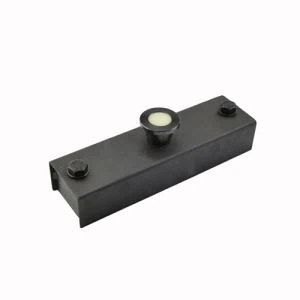
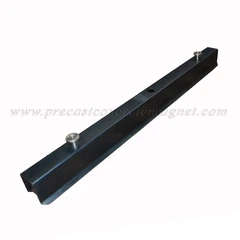
- Verify Magnet Condition: If you suspect magnet degradation, you can use a magnetic field strength tester to measure the magnetic field of the formwork magnet. If the magnetic field strength is significantly lower than the specified value, consider replacing the magnet. You can find suitable replacement magnets at our product pages, such as Precast Concrete Formwork Magnet Suitable For Wall Panel With Rebar Out Of Mold.
2. Difficulty in Installation and Removal
Another common problem is the difficulty in installing or removing the magnetic formwork. This can slow down the construction process and increase labor costs.


Possible Causes
- Incorrect Alignment: If the formwork is not properly aligned with the contact surface, it can be difficult to install or remove. Misalignment can also reduce the magnetic force, as the magnet may not have full contact with the surface.
- Excessive Force During Previous Use: If too much force was applied during previous installations or removals, the formwork or the contact surface may be deformed, making future installations and removals more challenging.
- Lack of Lubrication: In some cases, a lack of lubrication between the formwork and the contact surface can cause friction, making it difficult to move the formwork.
Troubleshooting Steps
- Ensure Proper Alignment: Before installation, carefully align the formwork with the contact surface. Use alignment tools such as spirit levels or alignment guides to ensure that the formwork is perfectly positioned. Make sure that all edges are flush and parallel to the contact surface.
- Inspect for Deformation: Check the formwork and the contact surface for any signs of deformation. If deformation is found, try to correct it using appropriate tools. For minor deformations, you may be able to use a mallet or a jack to reshape the formwork or the surface.
- Apply Lubrication: Use a suitable lubricant on the contact surface to reduce friction during installation and removal. Some common lubricants include silicone - based lubricants or graphite powder. Apply a thin layer of lubricant evenly on the surface before installing the formwork.
3. Leakage of Concrete
Concrete leakage around the magnetic formwork is a common problem that can affect the quality of the precast concrete product.
Possible Causes
- Inadequate Sealing: The gap between the formwork and the contact surface may not be properly sealed, allowing concrete to leak out during pouring. This can be due to improper installation of the formwork or a damaged sealing material.
- Uneven Surfaces: If the contact surface is uneven, the formwork may not fit tightly, resulting in concrete leakage. Uneven surfaces can be caused by improper leveling during the preparation of the casting area.
- Poor Quality Sealing Materials: Using low - quality sealing materials can also lead to concrete leakage. These materials may not have sufficient flexibility or durability to withstand the pressure of the concrete.
Troubleshooting Steps
- Improve Sealing: Check the sealing of the formwork and the contact surface. If there are gaps, use appropriate sealing materials such as rubber gaskets or silicone sealants to fill them. Make sure that the sealing material is applied evenly and completely covers the gap.
- Level the Surface: If the contact surface is uneven, use a leveling compound or a grinder to level it. Ensure that the surface is flat within the specified tolerance before installing the formwork.
- Replace Sealing Materials: If the existing sealing materials are of poor quality or damaged, replace them with high - quality sealing materials. You can find a wide range of sealing materials suitable for magnetic formworks in our product catalog.
4. Corrosion of Magnetic Formwork
Corrosion of the magnetic formwork can reduce its service life and magnetic performance.
Possible Causes
- Exposure to Moisture: Magnetic formworks are often used in a wet environment, such as in concrete casting. Prolonged exposure to moisture can cause corrosion, especially if the formwork is not properly protected.
- Chemical Exposure: Contact with certain chemicals in the concrete or cleaning agents can also cause corrosion. For example, some concrete admixtures may contain chemicals that are corrosive to the formwork material.
- Lack of Coating or Protection: If the formwork does not have a proper protective coating, it is more susceptible to corrosion.
Troubleshooting Steps
- Prevent Moisture Exposure: After use, make sure to dry the magnetic formwork thoroughly. Store it in a dry place to prevent moisture accumulation. If possible, cover the formwork with a waterproof cover during storage.
- Avoid Chemical Exposure: Use compatible cleaning agents and avoid contact with corrosive chemicals. When using concrete admixtures, ensure that they are compatible with the formwork material.
- Apply Protective Coating: If the formwork does not have a protective coating, consider applying a corrosion - resistant coating. This can significantly extend the service life of the formwork. Such coatings are available in our product offerings, and our experts can provide advice on the most suitable coating for your application.
5. Inconsistent Product Quality
Sometimes, customers may experience inconsistent product quality when using magnetic formworks, such as uneven concrete surfaces or dimensional inaccuracies.
Possible Causes
- Wear and Tear of Formwork: Over time, the formwork may experience wear and tear, which can affect the quality of the precast concrete product. For example, a worn - out formwork may not maintain the correct shape, leading to dimensional inaccuracies.
- Incorrect Concrete Mix: An improper concrete mix can also result in inconsistent product quality. The concrete may not have the right properties, such as workability or strength, which can affect the surface finish and structure of the precast element.
- Inaccurate Temperature and Curing Conditions: Temperature and curing conditions play a crucial role in the quality of precast concrete. If these conditions are not properly controlled, it can lead to inconsistent product quality.
Troubleshooting Steps
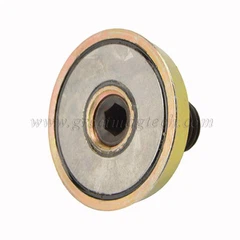
- Inspect and Replace Worn - Out Formwork: Regularly inspect the magnetic formwork for signs of wear and tear. If significant wear is found, replace the formwork with a new one. You can explore our high - quality formwork products, like Formwork Magnet System Ratec Formwork Magnetic.
- Verify Concrete Mix: Work with a professional concrete engineer to ensure that the concrete mix is appropriate for your application. Conduct tests to verify the workability, strength, and other properties of the concrete.
- Control Temperature and Curing Conditions: Use appropriate temperature control and curing methods to ensure consistent product quality. This may involve using heating or cooling systems during the casting process and following the recommended curing time and conditions.
In conclusion, troubleshooting common problems with magnetic formworks requires a systematic approach. By identifying the root causes of the problems and taking appropriate corrective actions, you can ensure the efficient and reliable use of magnetic formworks in your precast concrete production. If you have any further questions or need assistance with magnetic formwork selection, installation, or troubleshooting, please feel free to contact us for procurement and in - depth discussions. We are committed to providing you with the best solutions and high - quality products.
References
- Concrete Construction Handbook: This handbook provides comprehensive information on concrete construction techniques, including the use of formworks.
- Magnetic Materials and Their Applications: A technical reference book that details the properties and applications of magnetic materials used in formworks.