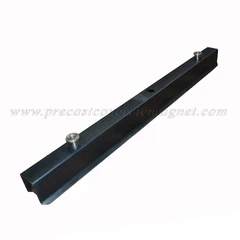
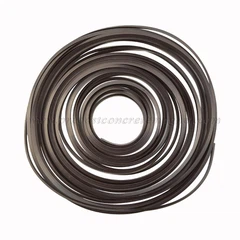
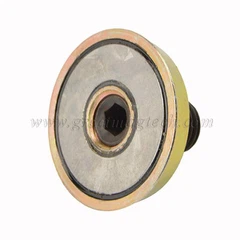




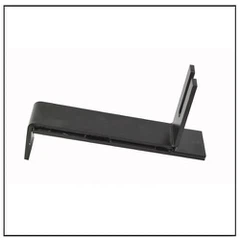


Precast concrete construction has come a long way, evolving with new technologies and innovations that continue to shape the building industry. One such recent breakthrough advancement is the development of precast concrete magnets - specialized magnets designed to be embedded in concrete for attaching and securing precast structural elements.
Keep reading this comprehensive guide to learn how these incredible magnets are transforming concrete construction as we know it.
Overview of Precast Concrete Magnets
Precast concrete magnets are powerful magnetic devices easily incorporated into wet concrete mixes. They have special protective coatings to prevent corrosion. Here's a quick rundown of what defines these unique magnets:
Embedded Functionality: The magnets can be submerged fully into concrete forms before the pouring and setting of the concrete. Once set, they provide a secure anchor point.
High Adhesion Power: The magnets feature high-strength rare earth materials such as neodymium, generating sufficient adhesion power to hold and align heavy precast sections.
Reusability: They can be reused repeatedly on multiple projects, provided the protective coating remains undamaged during extraction.
Safety: The magnets pose no health hazards or interference with other equipment. They are completely encased within the concrete.

Figure 1. Typical placement of precast magnets within concrete forms
The incredible bonding properties allow the magnets to securely grip steel-reinforced precast concrete units in place quickly without the need for other temporary supports. This delivers game-changing advantages to contractors - reduced construction schedules, costs, and risks during installation.
A Brief History of Precast Concrete Magnet Development
To better understand modern precast concrete magnets, it helps to first look at a few key events in the history of precast construction that set the stage for this innovation:
1907 - The first structural precast concrete frame system is used in a wool warehouse in Derbyshire, England. This kickstarts the precast industry.
Early 1900s - Precast concrete slowly begins replacing traditional brick and wood construction in Europe and later North America.
1930s - The development of higher-strength reinforced concrete mixes accelerates precast adoption.
1950s - Precast concrete use expands significantly for industrial plants and low-rise structures.
The 1990s - Custom complex precast elements become more familiar with improved production technology.
In recent years, the biggest obstacle holding back faster and safer precast construction was the lack of good temporary attachment methods during installation. Traditional approaches using steel bolts, braces, cords, and welds were time-consuming, expensive, and risky.
Magnetic fastening solutions proved to be the much-needed breakthrough after nearly a century of precast development. Let's look at what led to the creation of the first precast magnets.
The Path to Developing Precast Magnets
In the early 2010s, researchers began actively experimenting with magnets to expedite precast construction:
2012 - Initial proof-of-concept testing showing magnets can temporarily hold small concrete panels.
2015 - First usable scale precast magnet prototypes successfully fabricated.
2017-18 - Continued field testing and refinements on real construction sites.
2019 - Commercially viable precast magnet products officially launch.
The rapid progress from early experiments to full commercial availability in under a decade highlights the massive demand for faster-precast installation solutions.
Now with exceptional reliability and safety, precast concrete magnets are steadily becoming a staple across North America and Europe. They are truly transformational for the industry with forecasted strong growth in coming years.
Types of Precast Concrete Magnets
Over the past few years, precast magnets have diversified into specialized configurations and grades to suit different applications. Here are the most common commercially available types used today:
|
Magnet Grade |
Description |
|
Standard Grade |
General-purpose magnets for attaching small to medium-sized precast units. Provide around 3,000 to 5,000 lb pull force. |
|
Reinforced Grade |
Built using thicker protective sleeves and high-quality neodymium magnet alloys. Enable powerful 12,000 to 15,000 lb pull force. |
|
Large Format |
Oversized magnet designs fabricated up to 48-inch lengths. Used in large architectural span structures and bridges. |
|
High Temperature |
Advanced magnets with ceramic rather than plastic sleeves to withstand pouring concrete mixes over 100°C hot. Useful for ultra-high-performance concrete. |
In terms of configurations, standard options are:
Discs - Offer holding capacity in all directions.
Blocks - Designed for more vital pull force in a targeted direction.
Segments - Used to form embedded chains for increased support.
There are also magnet grades optimized for overhead applications. Often called "overhead lifters", these utilize specialized gripping plates with multiple magnets exerting shear forces rather than direct tension.
Choosing the right magnet type and capacity for each precast application ensures efficient, trouble-free attachment.
How Do Precast Magnets Work?
Now that we've looked at what sets precast concrete magnets apart let's examine how they operate once embedded within concrete:
Depending on load requirements, the magnets are fixed at strategic positions within concrete formwork, with typical spacing between 2 and 4 feet.
Wet concrete is then poured around the magnets and allowed to cure fully.
The magnets become enclosed securely in the set concrete, flush with the surface.
When a steel-reinforced precast concrete component needs to be installed, the embedded magnets activate to pull and lock it firmly against the face of the concrete substrate.
After completing the assembly work safely using the magnetic braces, the magnets release their grip when pulled away using specialized extraction tools.
The magnets remain undamaged, ready for repeated reuse on future projects.

Figure 2. Precast magnet placement and precast attachment sequence
This sequence highlights the elegance and simplicity of magnetic holding solutions for accelerating precast construction. The magnets essentially mimic heavy-duty screws lying flush inside the concrete, ready to attract and assemble complex structures efficiently.
Some advanced precast systems even integrate electronic controls and sensors with the magnets. This enables remote triggering of magnets and monitoring of attachment force during installation.
Benefits of Choosing Precast Concrete Magnets
After looking at what sets precast concrete magnets apart and how they work, you likely realize they offer invaluable advantages compared to traditional precast installation aids. Let's examine those significant benefits driving higher adoption:
Faster Project Timelines
Minimal preparation needed for magnet integration vs. welded embeds or brace frames
Near instant lock-in of precast units directly on contact
No time-intensive drilling, screwing, welding, or detensioning steps
Smooth installation sequence speeds up overall precast attachment workflow
Improved Construction Safety
Eliminates unsafe worker access issues for overhead attachment tasks
Removes trip hazards from temporary braces and ties cluttering work zones
Enables easier automated handling of precast units before final fit
Magnets automatically engage to prevent uncontrolled movement of precast
Greater Structural Integrity
Evenly distributes load forces avoiding stress points during assembly
Allows early release from crane without needing backup supports in place
Maintains continual alignment control not dependent on operator skill
Avoid cracked welds or concrete from abrupt load shifting
Enhanced Sustainability
Reusable for thousands of attachment cycles without deterioration
Cuts wastage from discarded temporary fixtures and braces
Reduces equipment needs resulting in lower emissions
Lower failure risks prevent reconstruction energy expenditure
Increased Cost Savings
No rental fees or labor for installing and removing temporary supports
Savings from fewer health hazards and weather delays
Lower insurance premiums and incident mitigation costs
Provides better return on investment than other attachment alternatives
These impressive benefits make precast magnet solutions highly effective for contractors seeking faster, safer builds. The proven advantages also drive magnets into building code recommendations as a preferred temporary attachment method.
Applications Using Precast Concrete Magnets
The unique properties of precast concrete magnets lend themselves to a diverse range of applications:
Commercial and Industrial Facilities
Contractors tasked with creating large warehouses, factories, retail buildings, parking garages, and stadiums within tight schedules leverage precast magnets to:
Assemble complex elevated floor and roof structures without extensive framework.
Accelerate wall panel connections keeping projects on schedule.
Enable flexibility using movable magnetic lifters for interior skin walls.
Simplify future expansions by activating dormant magnets.
Infrastructure and Transportation
For roads, rail, bridges, and waterway projects, precast magnet innovation helps:
Quickly secure precast abutments, piers, girders, and decking members.
Construct segmental arch structures without delay from temporary towers/arms.
Build modular flood barrier walls that interlock using embedded magnets.
Fabricate magnetic lifters to enable self-fixturing precast segments.
Residential/Commercial Architecture
Architects and designers benefit from magnets enabling new visually stunning buildings through:
Curvaceous thin shell concrete realized with no auxiliary support.
Efficient steel-free concrete exoskeleton attachment.
Custom exposed interior concrete seamlessly fused.
Stone/glass block designs are secured temporarily without visible fixtures.
These examples demonstrate the widespread applicability and value precast concrete magnets offer in accelerating construction across multiple sectors while enabling innovative new building techniques.
Factors In Selecting Precast Magnets
With a wide variety of precast magnet grades and configurations now available, choosing the right specifications for your upcoming project involves examining:
Precast Unit Size and Layout
Selecting magnet size/quantity by calculating the dead load of sections to be attached. Also, check if a fixed or movable setup is needed.
|
Small Panels |
Medium Panels |
Large Panels |
Complex Assemblies |
|
Standard Discs |
Reinforced Discs |
Overhead Blocks |
Linked Segment Chains |
Concrete Substrate Type
Ensure magnet adhesion force exceeds sheer/tension stresses based on substrate compressive strength.
|
5000+ PSI Concrete |
UHPC Substrates |
CFST Columns |
Rebar Density |
|
Standard Grade |
High Temp. Magnet |
Steel Shims |
More Magnets |
Environmental Exposure
Determine the impact of temp., moisture, and chemicals. Select durable, water-resistant epoxy coatings if required.
|
Indoor Dry |
Outdoor |
Hot/Cold Cycles |
Corrosive Exposure |
|
Polymer Sleeves |
Silica Gel Packs |
Ceramic Sleeves |
Epoxy Seals |
Installation Equipment
Check crane/lifting capacity suited for precast unit handling along with magnetic force calibration.
|
Light Lifting |
Heavy Lifting |
Overhead Stability |
Force Measurement |
|
Gantries |
Strong Lifters |
Multipoint Magnets |
Load Cells |
Safety and Compliance
Adhere to construction regulations and magnet manufacturer handling guidelines for smooth inspection approval.
|
Worker Training |
Electrical Safety |
Building Standards |
Lab Certificates |
|
Proper Storage |
No Nearby Implants |
Attachment Ratings |
Tested Grades |
Selecting the optimal magnet type and installation accessories while following robust protocols ensures a seamless project. Consult specialist engineers for best recommendations.
Proper installation is vital for efficiency once you select suitable precast concrete magnets for your upcoming installation project.
Here is a condensed step-by-step process:
Precast Magnet Installation Guide
1. Prepare Mounting Holes
Drill circular holes at planned magnet positions per design drawings using a diamond coring rig. Clean debris and check depth.
2. Prime Anchors
Coat the anchor sleeve exterior with adhesive resin and insert the expanding end into holes. Tighten bolts to flare sleeve, locking it within concrete.
3. Mount Magnets
Slide magnets into anchors. Turn cam levers on anchors to grip magnet sides for 360° support. Ensure the flat face is upright.
4. Seal Surround
Apply waterproof silicone sealant around anchors. This prevents wet concrete from seeping behind magnets during pours.

5. Pour Concrete
With formwork in place, start pouring concrete continuously. Use vibrators to prevent voids around magnets. Allow proper curing time before removal.

6. Attach Precast Sections
Bring steel-reinforced precast units in position near the concrete substrate when ready. Magnets will pull sections flush against the face.
7. Release Magnets
Using the release tool, disengage the magnet lock tabs. Then slide the magnet out smoothly. Inspect and replace protective end caps.
Following these guidelines step-by-step ensures precast magnets function reliably throughout builds for rapid assembly. Always refer to manufacturer documents for additional product-specific procedures.
Maintenance of Precast Magnets
With robust epoxy-encapsulated construction, modern precast concrete magnets require minimal servicing for longevity across repeated uses. However, check the following points periodically:
• Inspect Seal Integrity: Ensure the protective end caps and sleeves remain intact without cracks exposing the internal magnets to elements
• Check Pull Force: Sample test magnet extraction force per specs. Replace any severely degraded units.
• Monitor Locking Tabs: Ensure the rotating cam tabs fully engage and disengage smoothly. Lubricate if needed.
• Clear Magnetic Face: Keep surface free of metal debris. Schedule wash with a pH-neutral detergent solution if the buildup is excessive.
• Avoid Impacts: Prevent hits from heavy sharp falling objects that could chip protective epoxy.
• Store Properly: Keep unused magnets from clustering together. Ground shipping containers to prevent magnetic attraction forces from causing damage.
Annually test a small batch to verify sustained functionality. Quality precast concrete magnets enjoy great longevity with basic precautions, delivering consistent high bond strength.
Precast Magnet Success Stories
Are precast magnet solutions up to the task of severe projects? These real-world applications demonstrate their capabilities and value:
Enabling Complex Geometry
Architects created the undulating concrete facade for the Cleveland Museum of Art expansion using embedded magnets allowing contractors to shape the challenging geometry precisely.
Accelerating Bridge Reconstruction
Utah DOT rebuilt a busy collapsed interstate overpass four months faster than scheduled using precast columns, beams, and decks fused with high-strength magnets.
Slashing Tower Crane Time
The billion-dollar Hudson Yards megadevelopment in New York saw cranes spend 80% fewer man-hours erecting the commercial towers by leveraging reusable magnetic attachment solutions for the precast units.
Simplifying Plant Expansion
A robotics factory in Switzerland needed to expand production floors without halting operations. This was achieved seamlessly by activating custom concealed magnets within existing walls to fuse new modular hall sections rapidly.
Enabling Future Upgrades
Data centers utilize removable precast exterior wall panels secured by high-density magnet matrices allowing rapid server upgrades. The magnets firmly hold wall sections yet release with specialized tools, enabling frequent interior reconfigurations without structural reconstruction.
Averting Further Collapse
During the demolition of a partially failed historic masonry structure, engineers employed rapid-install precast buttresses equipped with strong adhesive-free magnet couplers to stabilize and prevent a complete collapse. This saved hundreds of thousands in additional damage.
Streamlining Manufacturing
Automotive plants now eschew fixed conventional steel welding frames for overhead conveyors and utilize modular skinned precast sections embedded with reusable magnet sets to quickly reconfigure assembly line layouts by simply shifting magnetic supports.
Enhancing Safety
Slip-form concrete placement for bridges employs robotic magnetic crawling systems with real-time feedback for precise positioning. This gives superior alignment while eliminating exposure risks for workers.
The Future of Precast Magnet Solutions
With proven success supporting contractors across numerous application sectors, where do precast concrete magnet solutions go from here?
Trends to Watch
Forwarding-thinking construction firms are accelerating precast magnet adoption beyond temporary attachments into permanent embedded structural applications:
Permanent Precast Connections
Architectural precast panels with concealed permanent magnetic joins are emerging, allowing stunning visually seamless façades without metal plate eyesores.
Magnetic Reinforcing
Using sustainable magnetic carbon allotropes like magnetite instead of steel rebar in geopolymer concrete builds is gaining interest from green developers.
Energy Harvesting
Harnessing vibration power from traffic using roadway piezomagnets to enable self-powering smart infrastructure is nearing reality.
Magnetic Propulsion
Maglev transportation systems may shift urban mobility using elevated guideways with magnetized precast traction power.
The Exciting Road Ahead
These glimpses into potential next-generation applications highlight that precast concrete magnet innovation is still in its infancy disrupting construction.
As magnetic materials science progresses and adoption proliferates, contractors face an exciting future where yesterday's bolted connections and external braces give way to seamless rapid fusion using embedded intelligent magnets.
The era of magnetically enhanced precast construction has truly arrived!
Conclusion
Precast concrete magnets represent a game-changing technological breakthrough set to accelerate and enhance construction projects across all sectors. As outlined in this comprehensive guide, their numerous advantages over traditional precast attachment methods provide invaluable benefits:
• Faster Project Timelines - Near instant connections facilitate rapid assembly.
• Improved Construction Safety – Automated handling reduces worker risk.
• Greater Structural Integrity – Even load distribution prevents failures.
• Enhanced Sustainability – Reusable for thousands of cycles, minimizing waste.
• Increased Cost Savings – No more rental costs of temporary braces.
With precast magnet reliability and performance exceeding expectations for major global projects, their adoption will rapidly transform workflows. Plus, magnets show promise enabling innovative permanent connections and energy harvesting uses.
As precast construction steadily transitions towards intelligent magnetic solutions, contractors now have an indispensable tool to build smarter while saving time, money, and lives.