






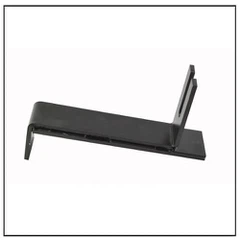


Galvanizing is a surface treatment technology mainly used to form a layer of zinc coating on the surface of metal, alloy, or other materials to achieve beautiful and rust-proof effects. This technology can be carried out in various ways such as hot-dip galvanizing, electro-galvanizing (cold galvanizing), etc.
The main purpose of galvanizing is to prevent corrosion on metal surfaces. In the natural environment, especially in humid or corrosive environments, metals are prone to rust. Through galvanizing, a dense zinc carbonate film can be formed on the metal surface. This film can effectively isolate the metal from the corrosive environment, thus protecting the metal from corrosion. Additionally, the sacrificial nature of zinc also means that when the zinc layer is damaged, the zinc corrodes faster than the metal itself, further protecting the metal underneath.
What Are The Types Of Galvanizing?
The types of galvanizing can be classified mainly from two aspects: process method and plating bath composition.
Process Method:
Hot-dip Galvanizing:
This is a process in which metal is immersed in molten zinc to form a layer of zinc on the metal surface. This method is suitable for large or heavy metal parts because it requires higher temperatures and larger equipment.
Cold Galvanizing (electro-galvanizing):
This is a technique that chemically forms a zinc layer on a metal surface at room temperature. Cold galvanizing, also known as electro-galvanizing, can be further subdivided into different plating bath types.
Plating Solution Composition:
Alkaline Galvanizing:
This type of galvanizing uses an alkaline solution, usually containing cyanide or zincate as the main salt. Alkaline galvanizing is widely used because of its good anti-corrosion properties.
Acid Galvanizing:
Using acidic solutions for galvanizing is equally effective, but specific application scenarios may be limited.
Specific electroplating solution classification: According to the classification of electroplating solutions in China, it can be divided into four major categories: cyanide galvanizing; zincate galvanizing; chloride galvanizing; and sulfate galvanizing.
In addition, there are specific types of zinc plating, such as colored zinc and bright zinc, which are named based on the appearance and functional properties of the coating.
Types of galvanizing include hot-dip galvanizing, cold-dip galvanizing (electro-galvanizing), and various types based on different bath compositions (such as alkaline, acidic, cyanide, zincate, etc.). Each type has its specific applications and advantages, and selecting the appropriate galvanizing type depends on the end product needs and environmental conditions.
The Difference Between Electro-Galvanizing And Hot-Dip Galvanizing
| Comparison Item | Electroplating (Cold Galvanizing) | Hot Dip Galvanizing (Hot-Dip Zinc) |
|---|---|---|
| Process Principle | Zinc ions are reduced from the solution onto the surface of the material to be plated through electrochemical reactions. | The material to be plated is immersed directly into molten zinc, causing the zinc to adhere to the surface and form a zinc layer. |
| Zinc Layer Thickness and Adhesion | The zinc layer is usually thin, approximately within the range of 3-5 microns. | The zinc layer is relatively thick, generally above 10 microns, and sometimes even reaching tens to hundreds of microns, providing stronger adhesion and corrosion resistance. |
| Appearance and Surface Treatment | The surface is usually smoother and more aesthetically pleasing due to its thin and even layer. | The surface may appear slightly rougher due to the thickness and is prone to having process marks and minor drips. |
| Environmental Adaptability and Corrosion Resistance | With its thinner layer, it has relatively good corrosion resistance in corrosive environments such as acid and alkali. | Its thicker zinc layer offers better corrosion protection, especially in applications exposed to harsh environments for extended periods. |
| Cost and Pollution Issues | The cost is relatively low, but due to the use of a large amount of chemical agents, environmental pollution is relatively high. | Although the cost is higher, it is more popular in situations with higher environmental requirements due to its lower pollution and greater utilization rate of zinc. |


