




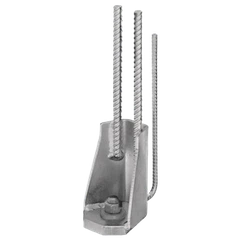
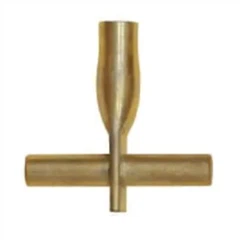
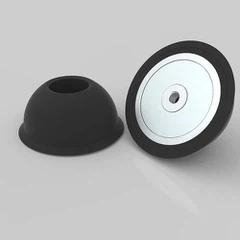
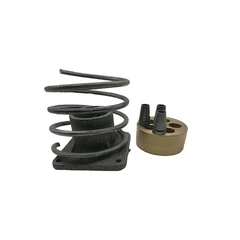

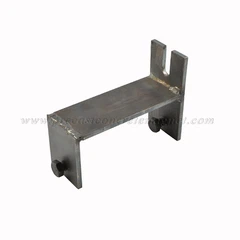
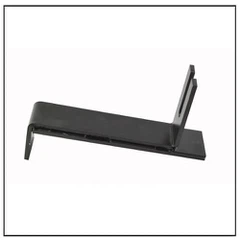


The length of the construction steel bars exposed on the components is uneven and the position is deviated, which leads to quality problems of a large number of PC parts in the production stage. Under normal circumstances, professionals will not arrange inspection and adjustment of building steel bars after the building steel bars are not placed with tools and the pouring and vibration are completed. When designing the mold, the positioning tooling of the building steel bar should be well designed. When binding the steel bar specifications, the exposed length of the building steel bar should be maintained, and its position should be fixed with a rubber plug. After the vibration of the cast-in-place concrete is completed, it should be checked and adjusted.
1. Dimensional deviation of components
The length of the construction steel bars exposed on the components is uneven and the position is deviated, which leads to quality problems of a large number of PC parts in the production stage. Under normal circumstances, professionals will not arrange the inspection and adjustment of the building steel bars after the building steel bars are not placed and the pouring and vibration are completed. When designing the mold, the positioning and installation design of the building steel bars should be done well. When binding the steel bar specifications, the exposed length of the building steel bars should be maintained, and the position of the building steel bars should be fixed with rubber plugs. After the vibration of the cast-in-place concrete is completed, inspection and
Adjustment.
2. Production and processing
The key manufacturing problems of concrete components include missing edges and corners, non-straight edges and corners, uneven warpage, flying out of protruding ribs, etc. Most of the problems such as concave, peeling, grinding, contamination, honeycomb, holes, etc. on the surface of components are caused by leakage of formwork pulp, insufficient or excessive vibration, serious leakage of pulp, and insufficient production acceptance in the production process of concrete components.
In addition, concrete members often crack or even break during transportation and hoisting. This is because part of the span of the prefabricated board is too large, and the board is squeezed between the boards during transportation, or cracks are generated due to excessive deviation during the lifting process, thereby extending to the entire board, causing damage to parts. Due to improper production and maintenance, the surface of the prefabricated panel is warped, the release agent coating is uneven, the brushing is less, and the brushing is missing, etc., resulting in the side of the prefabricated panel sticking to the mold: Processing Actual operation defects lead to exposed truss structural rods or dropped components
down.
3. Wall panel size deviation
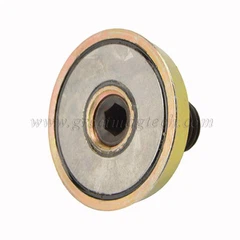
The key factor is that the abrasive tool rises and deforms, resulting in different sizes of the upper and lower edges. Especially in the process of pouring and vibrating the PC components, the magnetic box of the abrasive tool on the side of the abrasive tool is offset, which leads to the problem of the size of the wallboard. In the production process, control from the abrasive tool removal, mold cleaning, and abrasive tool maintenance stages can effectively control the occurrence of these problems. When removing the wallboard from the tool, avoid excessive force and tool deformation. The mold cleaning uses tools such as scrapers and wire brushes to ensure the size of the abrasives. Die fittings should be measured diagonally according to a standard steel ruler, and the dimensions should be adjusted reasonably. Before pouring concrete, always check the position of the magnetic box to ensure that it is properly seated and that the components meet the standard.


