





Efficient precast plants can produce more precast concrete elements with less material, yielding more benefits through less downtime, lower maintenance costs, and less disruption to employee productivity. The methods mentioned here may help to improve the efficiency of the plant and thus save some costs. Of course, not all PC factories are alike, so some of these steps may not make sense for a particular factory, and may even take more time and effort. However, concrete should always look for ways to improve its processes to increase operational efficiency, quality, and economy. Let's take a look at these 5 ways to reduce costs.

1. Preventive maintenance
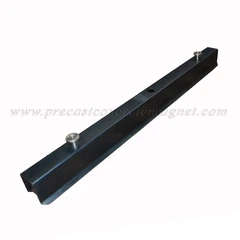
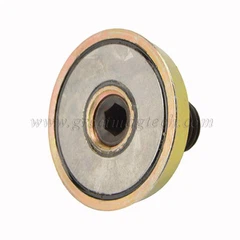
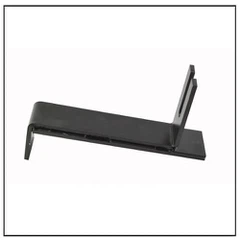
When prefabricated machines and equipment are regularly inspected and maintained, the chances of breakdowns and lost production time are reduced. Continually communicate to employees the importance of regular and consistent preventive maintenance. Worn belts, inaccurate scale readings, worn units/equipment, noisy bearings and clogged filters are significantly more likely to be detected before failure occurs. The factory should keep spare parts such as water components, box signals, dust boxes, solenoid valves, cylinders, bearings, precast magnets(shuttering magnets,formwork), and various repair kits to help reduce downtime. This is especially true for parts that are hard to find or take weeks to ship. Parts storage areas should be kept as clean as possible.

2. Factory 5S:
Some statistics show that over 70% of workplace injuries are directly related to 5S. Keeping a prefab factory clean is an ongoing battle, but it's worth it. The actions of a factory to maintain a clean work area can greatly affect the safety, health, and environment of employees, and ultimately, the factory's bottom line. Keeping a factory clean and tidy is neither complicated nor impossible. 5S management is a practice within the complete control of employers and employees, but it involves teamwork and effort. By investigating the incident that led to the injury and the injury itself, you may find that it was due to a housekeeping problem. Oil stains on the floor or on ladders, oversized material or material bags, loose tools and pipes, blocked walkways, dirty fixtures, and machines, used welding rods scattered on the floor, cluttered workbenches or workshops, clogged Slips, trips, and falls can be caused by fire extinguishers and standing water on the workshop floor. All of these are related to 5S practice. Workers often don't realize how injuries affect others, or how a good housekeeping program makes everyone in the factory safer and less prone to injury. It would be wise to determine how much production, service, and sales it would take to break even with the cost of the injury, disclosing this information to all employees to show how everyone shares the cost of the injury.
3. Quality management system:
Quality is free. Factories can avoid making inferior products by implementing a quality management system. State-provided manuals or standards for quality control of precast and prestressed concrete plants can assist the precast concrete industry in developing plant-specific plans. Manuals or standards are used in day-to-day factory operations to enable management and production personnel to understand and meet the requirements for making quality products. It provides practical information on compliance with recognized industry standards, helping to provide consistency across plant operations. Users and users of precast concrete products are constantly looking for ways to identify high-quality products. The factory certification program is based on the quality control program outlined in the Quality Control Manual and is designed to ensure that precast and prestressed concrete factories are capable of producing quality products.
Continuous improvement is one of the fundamental principles that is often overlooked in everyday work. Most industrial management experts estimate that the cost of poor quality typically ranges from 5% to 30% of total sales. Some of these costs associated with poor quality are easy to spot, while others can be difficult to pin down. Repairing poorly manufactured products consumes materials and labor. When a workpiece cannot be repaired, it must be discarded, losing the value of the raw materials in the structure. The disposal itself also costs money and the cost of manufacturing the product again to meet customer needs. But even these costs don't compare to the loss of customers' confidence in poor-quality products. Scrap, underutilization, lost sales, rework and warranty costs are all included in the cost of poor quality.

4. Repair of damaged components:
A common recurring example of PC plant inefficiency is repairing concrete products. Due to improper pre-casting, production, post-casting, stripping, or handling procedures, products are sometimes damaged by some kind of repair. If not handled properly, damage can become a routine task in the manufacturing process after a period of time. The factory then absorbs the cost as the cost of doing business, when in fact the company is supposed to find and fix the source of the problem. The following issues should be addressed to prevent the damage from recurring:
Pre-production inspection report (for leaks, surface defects, etc.)
Use the right app
Use appropriate vibration equipment and techniques
Check safety and capacity of all lifting equipment
Use appropriate handling techniques for molded products
Once all of these issues are resolved, production planning can begin, ensuring that issues are dealt with efficiently and no repetitive actions are required.